
Amusing from the streets of Paris. This guerrilla artist replaces advertising with classical art. Thank god there are still people that reject the corporate materialism that we are forced to consume.
My Favorite Zen koans :)
I love these two especially:
Keichu, the great Zen teacher of the Meiji era, was the head of Tofuku, a cathedral in Kyoto. One day the governor of Kyoto called upon him for the first time.
His attendant presented the card of the governor, which read: Kitagaki, Governor of Kyoto.
“I have no business with such a fellow,” said Keichu to his attendant. “Tell him to get out of here.”
The attendant carried the card back with apologies. “That was my error,” said the governor, and with a pencil he scratched out the words Governor of Kyoto. “Ask your teacher again.”
“Oh, is that Kitagaki?” exclaimed the teacher when he saw the card. “I want to see that fellow.”
And my other favorite:
A Zen student came to Bankei and complained: “Master, I have an ungovernable temper. How can I cure it?”
“You have something very strange,” replied Bankei. “Let me see what you have.”
“Just now I cannot show it to you,” replied the other.
“When can you show it to me?” asked Bankei.
“It arises unexpectedly,” replied the student.
“Then,” concluded Bankei, “it must not be your own true nature. If it were, you could show it to me at any time. When you were born you did not have it, and your parents did not give it to you. Think that over.”
Engrenages saison 4
So after binge watching the amazing third season after yoga on Sunday, I was told that a fourth season had also already aired.
I’m watching episode 1 now. Looks like Breaking Bad season 2 is on hold. 🙂
Moveable images. Impressive technique!
Wow. Check this out.
I’m guessing that it is using artificial cameras (After Effects?), layer selections, and blending techniques in Photoshop (Smudge/warp tool?) on amazing works of classical western art to create an affective moment of beauty. Impressive enough to watch twice.
More binge watching, Danish style
I just finished season 1 of Borgen. I really enjoyed the French series Engrenages and this was recommended as another foreign language gem.
Essentially the Danish version of The West Wing, this one hour drama is some damn good tv! There are three seasons and I just got back from hot yoga and may just start the second season and stay on my couch. The weather outside is truly frightful: slippery and wet, trending toward freezing rain.
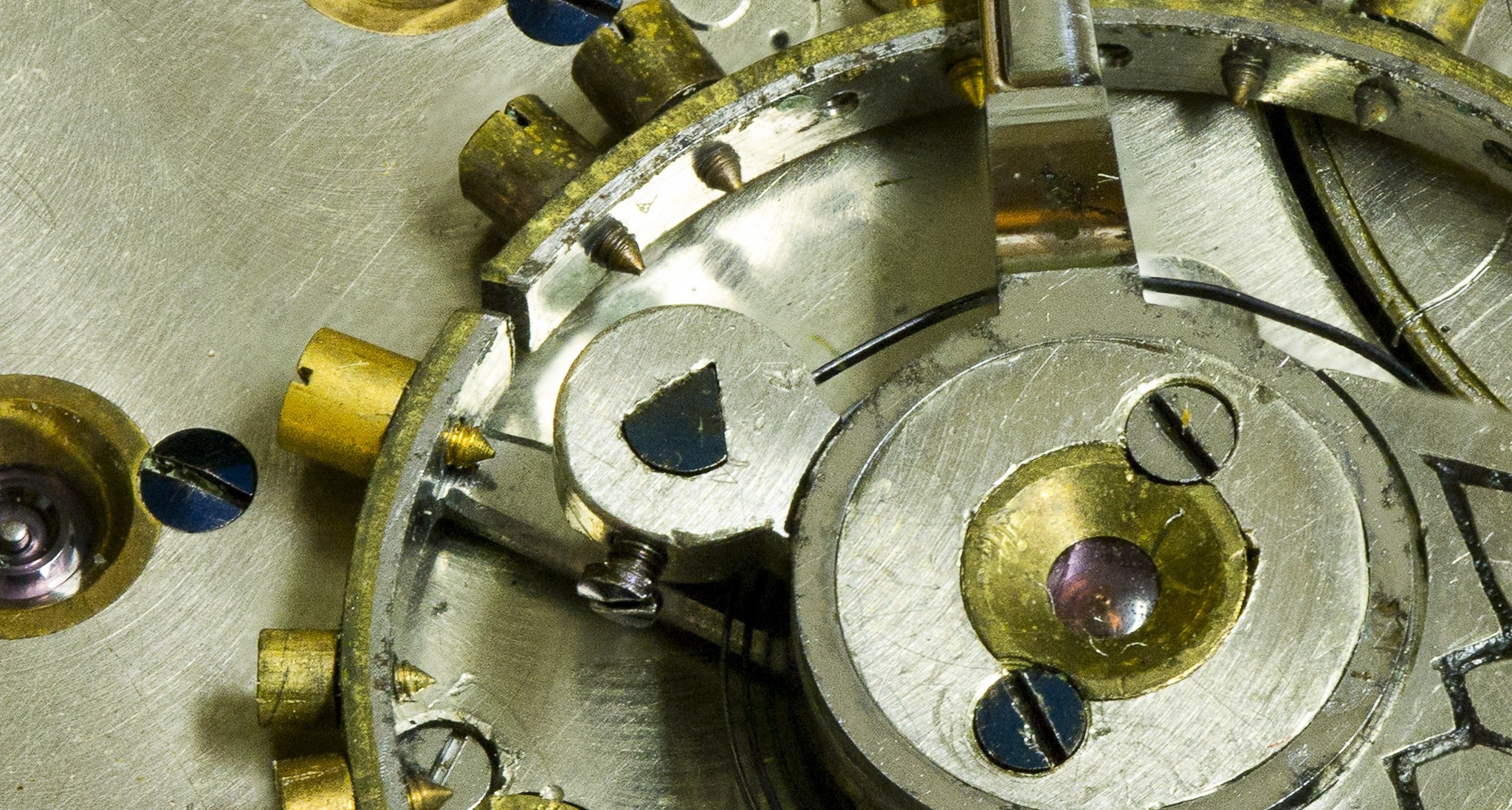
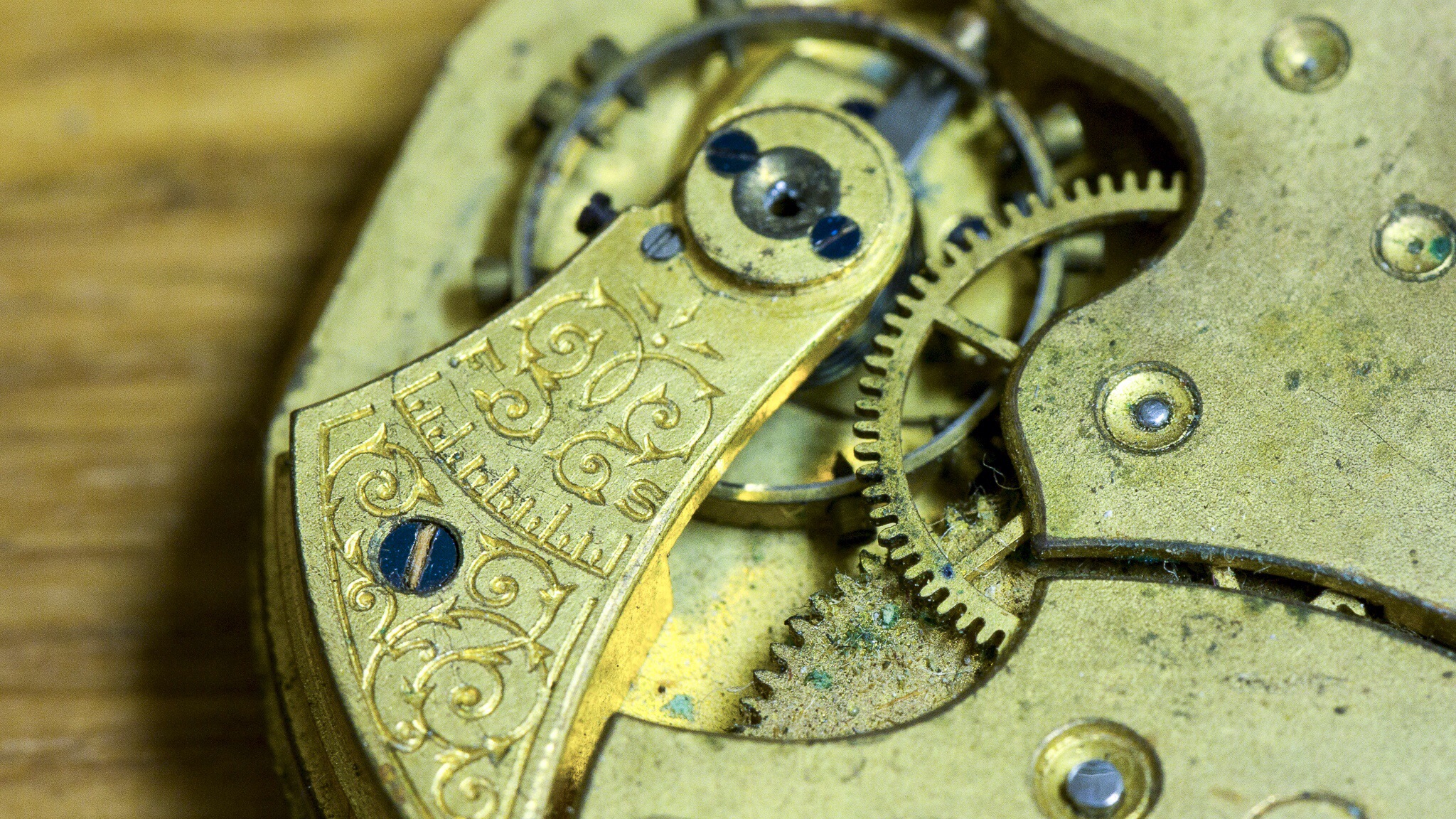
CowBoy Macro Rail: More Watches
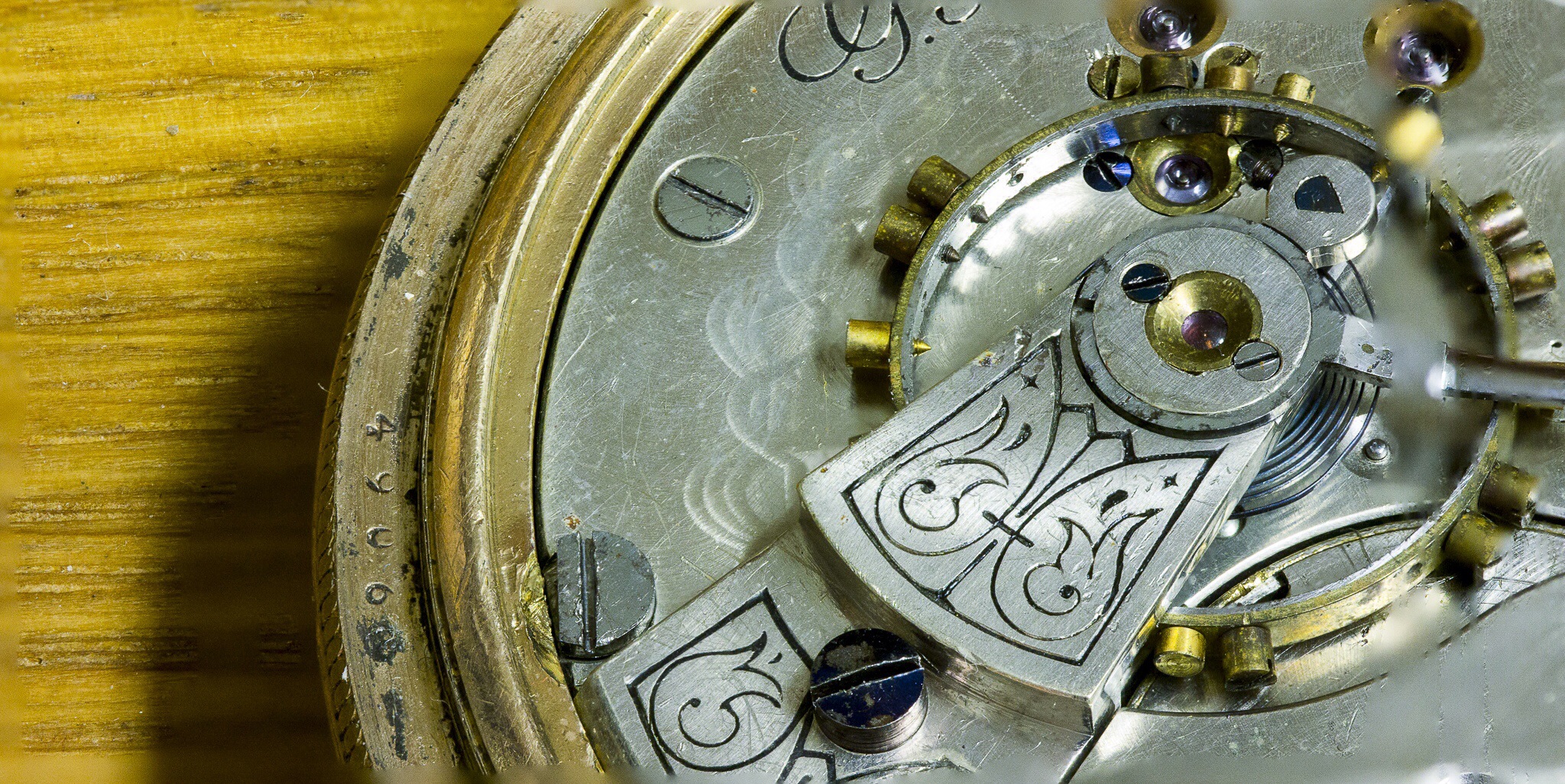
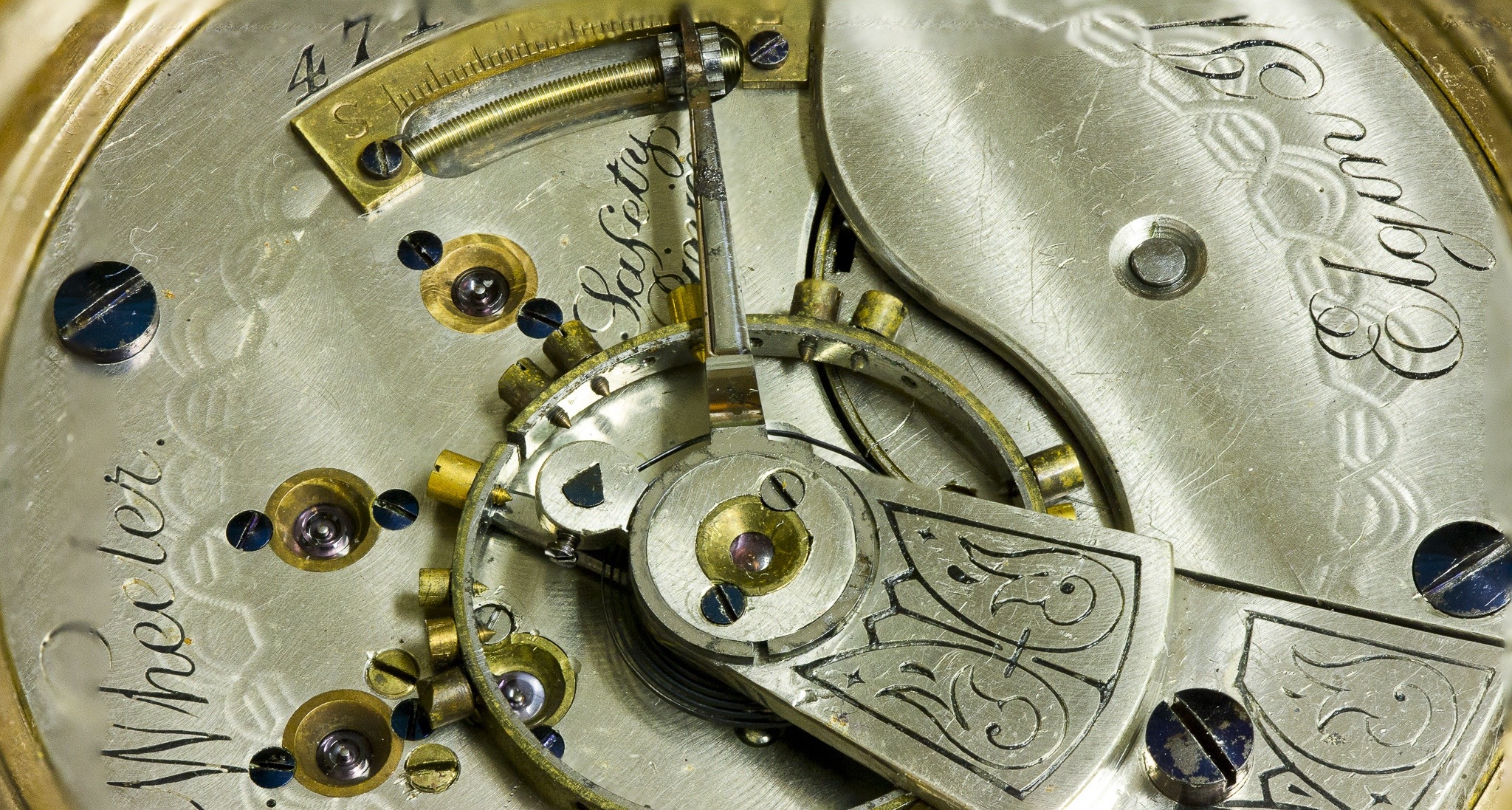
So thankfully I received my macro focus rail this morning and didn’t fall flat on my face with all of the ice outside. I say thankfully because I have been going crazy not being able to take photos outside in this wicked cold. Here are some samples. I placed the watches at an angle to better demonstrate the stacking method and how you can blend these images to increase the plane of focus and I must say, the movement is quite smooth. It allows for both forward/backward and side to side movement and mounted quite easily on my 701 Manfrotto head. I am looking forward to taking images of some bugs. So I use a shutter release, take the image at f5.6 and then blend them in post-production. Lots of fun!



ISIS, Qaeda, and the Syrian War
Here is an excellent piece in the NY Review of Books on the armed group ISIS operating in Syria.
The most interesting question to me is who is behind this group. All accounts point to foreign fighters as the core and their opposition to other Syrian rebels is well known.
For me there are three choices:
This is Qaeda from Iraq: Syria and Iraq share a border and the group from Iraq is expanding westward into Syria in furtherance of the restoration of the Caliphate.
This is an organization financed by the Gulf states using imported fighters from a diverse Islamic regional base who transit through Turkey in order to support Sunnism.
Assad is behind this group. Creating increased savage violence in rebel held areas (in the wake of the loss of their chemical weapons stockpile) forces Syrian citizens to grudgingly accept the Assad regime.
And while I’m certainly no expert in Syrian history, my bet is for option 3.
China, Russia, and the Lessons of the Cold War
Here is a very interesting article from The Diplomat.
There are those, I count myself among them, who believe that a radical restructuring of global power is underway that threatens to undermine traditional economies unless properly managed. Recent moves by both Putin and the Chinese leadership toward rapprochement bodes ominous as identity culture wars in the West cannibalize and corporate elites drain productivity. The parallels with the end of the 19th century and the twilight of the British Empire creates opportunities for historians to highlight both the error and the danger of these distractions. Unfortunately, recent politics and culture augurs ill for those attempting to highlight the dangers that we face. Our trajectory may be unalterable.
Violation of Spatial Integrity
I love media. All sorts of media. So nothing pisses me off more than crappy stories, shitty characters, poor production, or crappy editing. I vowed that I would seriously reduce my watching of crap, even if that means I am a late-adopter of a great movie or two. I do like to watch B movies, amateur films, documentaries, whatever. As long as there is a story or a character or even the way it is shot strikes me as novel, I will consume it. One of the things that I would love to have more time to do is to deconstruct my favorite movies and narrate their goodness. This guy has done an excellent job of the opposite: deconstructing a shitty scene. In this case the chase scene from Batman: The Dark Knight. This scene probably bugs you as much as it does me but here is shot-by-shot narrative as to why.
Margaret MacMillan: The War That Ended the Peace
Margaret MacMillan, arguably Canada’s pre-eminent historian (who teaches at Oxford), has recently released another grand narrative concerning the First World War. Her earlier work, 1919, combined a fascinating subject with solid archival work and a really great narrative style: the trifecta for the historian.
The War that Ended the Peace re-casts the traditional narrative of World War 1 from the “War to End All Wars” to the title of her latest work, an end to peace. Many historians see the period from 1914-1945 as a second Thirty Years War, but on a grander scale. If this is so, how could Europe have gone nearly a century without war (the revolutionary activities of the 1848 period notwithstanding) and then careen into three decades of war? Starting with the World’s Fair in Paris in 1900, MacMillan traces the lines that would lead to war a decade later. MacMillan weaves together stories of changing technology, national prejudices, cynicism, brilliance and stupidity that would hurl Europe toward destruction and herald the emergence of new Powers. MacMillan takes a traditional Canadian approach recognizing that the diplomatic peace that was established early in the 19th century allowed economic development but that this was precarious and not inevitable. Peace meant continuous State management. Negotiations and discussions were they key to managing the Balance of Powers. The “balance” was artificial. Progress was not inevitable. The peace that allowed for the economic and material growth in Europe necessitated cool heads willing to negotiate and practice Power Politics. This was what was lost along the way, MacMillan argues.
More here.