

I love media. All sorts of media. So nothing pisses me off more than crappy stories, shitty characters, poor production, or crappy editing. I vowed that I would seriously reduce my watching of crap, even if that means I am a late-adopter of a great movie or two. I do like to watch B movies, amateur films, documentaries, whatever. As long as there is a story or a character or even the way it is shot strikes me as novel, I will consume it. One of the things that I would love to have more time to do is to deconstruct my favorite movies and narrate their goodness. This guy has done an excellent job of the opposite: deconstructing a shitty scene. In this case the chase scene from Batman: The Dark Knight. This scene probably bugs you as much as it does me but here is shot-by-shot narrative as to why.
Margaret MacMillan: The War That Ended the Peace
Margaret MacMillan, arguably Canada’s pre-eminent historian (who teaches at Oxford), has recently released another grand narrative concerning the First World War. Her earlier work, 1919, combined a fascinating subject with solid archival work and a really great narrative style: the trifecta for the historian.
The War that Ended the Peace re-casts the traditional narrative of World War 1 from the “War to End All Wars” to the title of her latest work, an end to peace. Many historians see the period from 1914-1945 as a second Thirty Years War, but on a grander scale. If this is so, how could Europe have gone nearly a century without war (the revolutionary activities of the 1848 period notwithstanding) and then careen into three decades of war? Starting with the World’s Fair in Paris in 1900, MacMillan traces the lines that would lead to war a decade later. MacMillan weaves together stories of changing technology, national prejudices, cynicism, brilliance and stupidity that would hurl Europe toward destruction and herald the emergence of new Powers. MacMillan takes a traditional Canadian approach recognizing that the diplomatic peace that was established early in the 19th century allowed economic development but that this was precarious and not inevitable. Peace meant continuous State management. Negotiations and discussions were they key to managing the Balance of Powers. The “balance” was artificial. Progress was not inevitable. The peace that allowed for the economic and material growth in Europe necessitated cool heads willing to negotiate and practice Power Politics. This was what was lost along the way, MacMillan argues.
More here.
Canada Post: Why Canada needs Postal Banking
In all the huzzah over the holidays, I forgot to post this link from the CCPA on why introducing a banking feature to Canada Post would save the institution, provide a cheaper alternative to the major banks, and contribute profits to the Public Purse.
Meaning that it is the best possible alternative that will be summarily dismissed since it runs counter to the political imperative to privatize Canada Post.
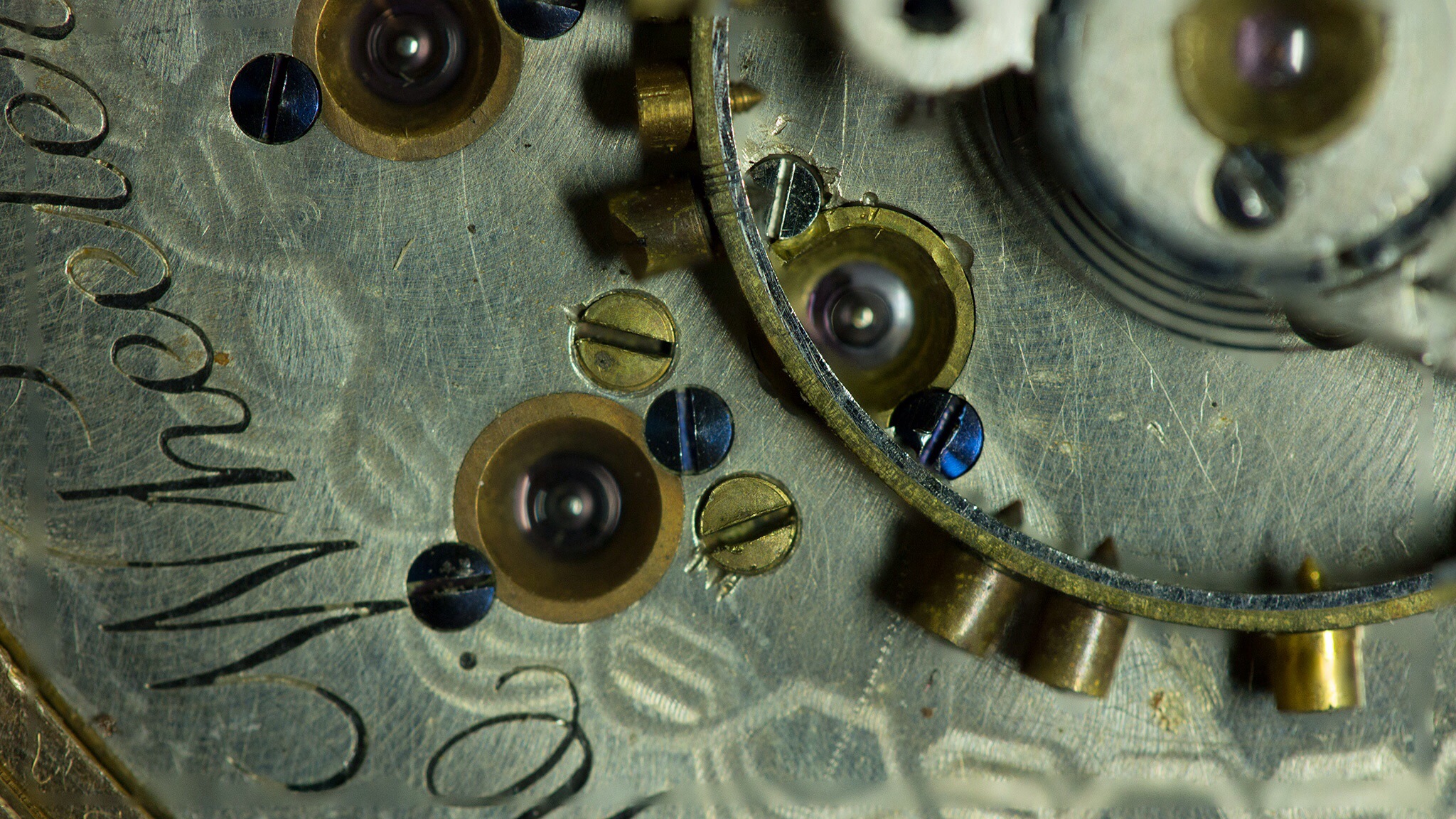
Watches anyone?
I have put the snowflake production on hold for today. I found some old watches so I decided to take some shots of those. This is my GH2 with an Olympus 60 mm. They are stacks of 3 images blended in photoshop.

Snowflakes… er… frostscapes?
I was mildly frustrated with the jpg engine in my GH2 when I use the extended focus and a 4x zoom. I think I pushed it a little too far 🙂
So I switched back to RAW and decided that cropping was better than shooting jpgs with crappy luminosity and less than sharp corners.



Some flakes stacked!
These are my favorites so far!


snowflakes… melting snowflakes….
I tried to see if I could set up inside and then transport snow inside. More comfortable but the snow flakes melt rather quickly. 🙂
You can make out my tripod legs reflected in the melted drop of snow below.





Snowflakes, again.
I really need a focus rail.




Binge Watching: Zatoichi style
My friend DM lent me his Criterion Zatoichi box set. As you can see from my movie list I have watched the first six films in the series, each film around 90 minutes. Thank god that Peter Jackson didn’t direct any of these. There is a noticeable shift in the narrative away from the original hero in the 1948 story based on an actual historical figure in the late Tokugawa. This Zatoichi has become more dark and the kill count is steadily increasing. He is still the haunted anti-hero with the lightning fast sword but without the more frequent slapstick scenes from the earlier films.
Merry Christmas!
Sherlock is back 🙂